
Enable and Deploy

By admin ,

Value Proposition

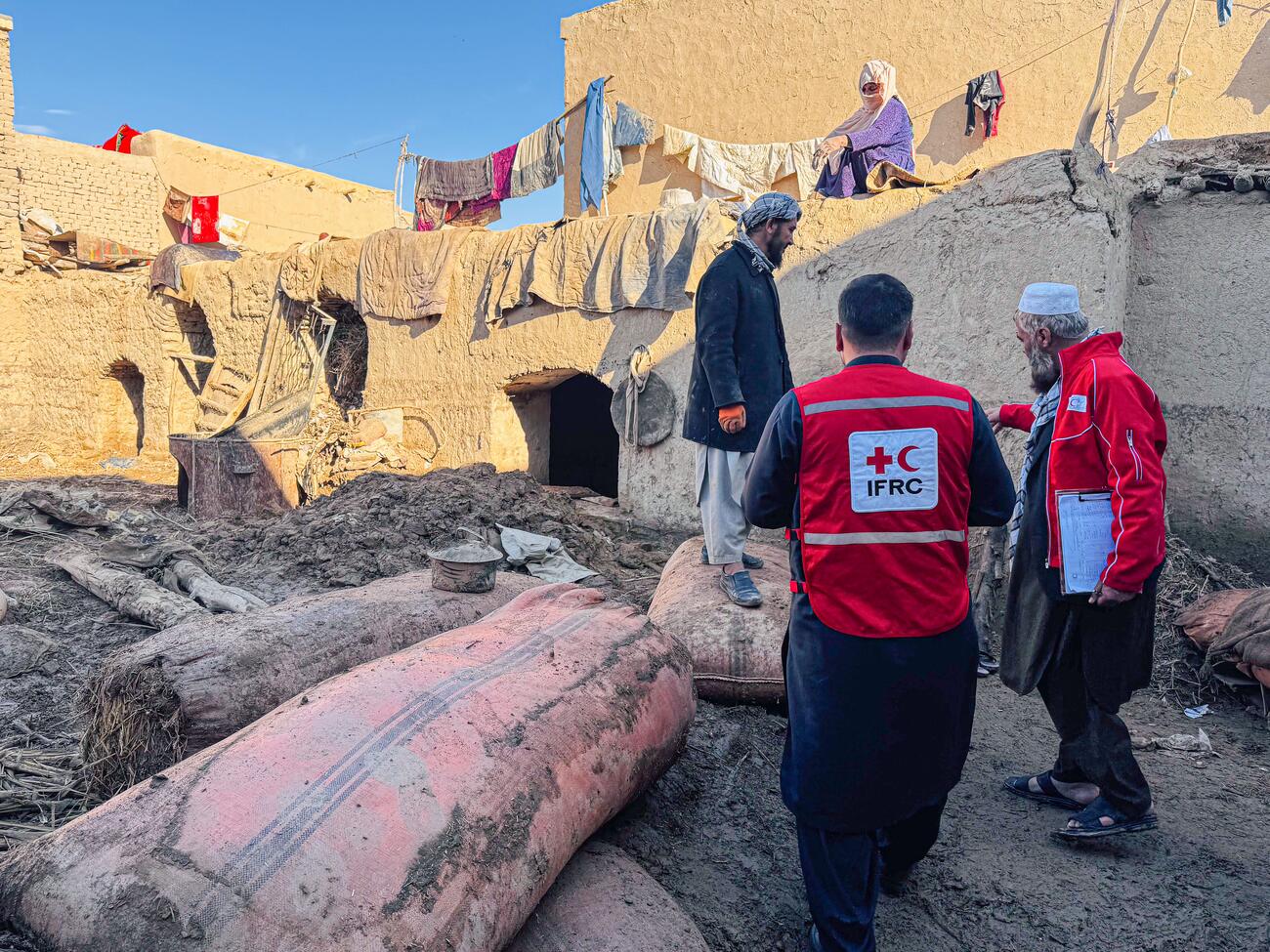
Deployment is the stage where volunteers step into action—whether in their own communities, in branch-led activities, or in emergency response. It is the crucial point where preparation meets practice, and volunteers’ skills and commitment become visible. Safe, effective, and supported deployment is critical not only for maximizing humanitarian impact but also for volunteer wellbeing and long-term retention. Deploying volunteers is ultimately about trust: volunteers trust the National Society (NS) to provide safe, meaningful work, and communities trust that deployed volunteers are competent and principled.
Purpose & Strategic Importance

The core purpose of the deployment capability is enabling volunteers to serve safely and effectively. This process strengthens the NS's reputation and demonstrates the Movement’s Fundamental Principle of Humanity in action.

Key Strategic Elements:

  • Safety and Duty of Care: Ensuring all volunteers are protected through insurance, risk awareness training, and duty of care measures before and during their assignment.
  • Operational Effectiveness: Matching volunteers to roles that align with their certified skills, availability, and the mission’s needs to ensure maximum impact and efficiency.
  • Coordination and Consistency: Standardizing procedures across branches and national levels to ensure consistent quality of volunteer management, whether for daily programs or large-scale emergencies.
  • Recognition of Scope: Acknowledging that deployment is not limited to emergencies; it includes community programmes, outreach, advocacy, and long-term engagement activities.

Scope

Deployment encompasses the coordinated set of processes that move a ready volunteer from the training roster into an active assignment, alongside the ongoing support required for the duration of that assignment.

Included Activities:

  • Matching and Assignment: Linking a volunteer's certified competencies (from the Train capability) with defined operational needs.
  • Mission Preparation: Providing mission-specific briefing, necessary equipment, and ensuring protective measures are in place.
  • Field Support and Supervision: Coordinating activities, managing logistics, and providing supervision and psychosocial support while the volunteer is on mission.
  • Mission Conclusion: Ensuring proper debriefing, recognition, and documentation upon completion of the assignment.

The capability requires coordination across the volunteer management system to facilitate assignment, logistics, safety, and follow-up.

Process & Key Activities (From Readiness to Action)

The deployment process relies on clear steps and defined responsibilities to ensure structure and support.

  1. Needs Identification: The Operations Manager/Service Lead defines the required roles, skills, and numbers for a mission or programme.
  2. Matching & Briefing: The Volunteer Manager or Deployment Coordinator uses volunteer data to identify suitable, available, and certified volunteers, and provides a comprehensive mission-specific briefing.
  3. Mobilisation & Equipment: The volunteer is provided with necessary Personal Protective Equipment (PPE), supplies, and insurance documentation, and is transported to the area of operation.
  4. Field Supervision: A Mission Supervisor/Volunteer Coordinator oversees the volunteer, manages mission logistics, and ensures accountability and safety protocols are followed.
  5. Support & Aftercare: Peer mentors and staff provide ongoing psychosocial support throughout the mission, and debriefing is conducted upon the volunteer's return.

Results

Effective deployment transforms operational needs into humanitarian action while protecting the volunteer workforce.

  • Outputs (Deliverables):
    • Number of Volunteers Deployed (tracked by role and mission).
    • Completed volunteer assignments and mission reports.
    • Updated volunteer safety and security records (e.g., number of volunteers with insurance).
  • Outcomes (Short- to Mid-term Effects):
    • Improved Response Time from need identification to operational readiness.
    • High Mission Completion Rate and low Volunteer Absenteeism Rate.
    • Enhanced volunteer confidence and on-mission problem-solving capability.
  • Impact (Long-term Strategic Change):
    • Stronger operational readiness and capacity to respond to sudden crises.
    • Reinforced trust and safety culture, leading to improved volunteer retention.
    • Demonstration of competence, enhancing the NS's credibility in the community.

Enablers & Resources

A clear structure of management and policy is required to underpin deployment.

  • People & Roles:
    • Volunteer Manager: Coordinates national deployment frameworks and ensures overall policy compliance.
    • Mission Supervisor/Volunteer Coordinator: Provides field-level supervision, logistical guidance, and support.
    • Operations Manager/Service Lead: Defines mission objectives and manages overall logistics.
    • Training & Safety Officer: Conducts mission-specific safety onboarding.
  • Governance & Policies:
    • Deployment policies integrated into the NS volunteering framework.
    • Clear Duty of Care standards covering insurance, safeguarding, and well-being.
    • Mandated safety and security protocols and incident reporting.
  • Data & Tools:
    • Volunteer Data Management System (VDMS) for tracking skills, availability, and mission assignments.
    • Communication tools for emergency contact and check-ins (e.g., satellite phones, secure messaging).
  • Facilities & Equipment:
    • Necessary PPE (Personal Protective Equipment) and safety gear.
    • Transport and logistics support for moving volunteers to the area of operation.

Examples & Innovative Practices

Successful deployment examples demonstrate both rapidity and localized support.

  • American Red Cross (ARC): Uses Disaster Action Teams (DATs) that are deployed locally within hours, relying on clear team structures and established team supervisors for accountability.
  • Kenya Red Cross (Kenya RC): Focuses on Community-Based Disaster Preparedness deployments, ensuring rapid, hyper-local action and supervision, with branch-level supervisors conducting daily debriefs.
  • Bangladesh Red Crescent: Deploys volunteers to health promotion and awareness in communities, illustrating that deployment includes non-emergency, programmatic work.
  • ARC/Kenya RC Supervision Model: Deployment is explicitly designed to always include team supervisors to ensure guidance and accountability from the field level.

Variations in Practice

Deployment models vary based on the context of the mission.

  • Emergency Deployment: Characterized by rapid mobilisation and centralized coordination, often prioritizing core skills and safety above all else.
  • Programme Deployment: More structured and long-term, focused on matching specialized skills to specific programme objectives (e.g., health promotion, advocacy).
  • Local vs. National: Local branch coordinators are critical for day-to-day community assignments, whereas Volunteer Managers coordinate national or inter-branch deployments.

Common Challenges

Deployment presents logistical, safety, and managerial challenges.

  • Safety and Risk Management: Ensuring consistent provision of PPE and clear safety protocols, especially in high-risk environments.
  • Skill Misalignment: Difficulty matching the right volunteer (with the right certification) to the immediate needs of a mission.
  • Lack of Supervision: Deploying volunteers without adequate field supervision or psychosocial support, leading to burnout or safety incidents.
  • Logistical Failures: Inefficient transport, lack of necessary equipment, or insufficient support budget, compromising the mission's success and the volunteer experience.
  • Absenteeism: Managing the Volunteer Absenteeism Rate, where assigned volunteers fail to show up due to personal constraints or lack of engagement.
Submitted on

The people involved in deployment include volunteer managers, supervisors, branch coordinators, and peer supporters. These roles are critical in ensuring that volunteers are matched correctly, briefed, supervised, and supported throughout their service.

Key elements

  • Volunteer managers coordinating national deployment frameworks.
  • Branch coordinators assigning roles and supervising volunteers.
  • Supervisors and team leaders providing field-level support.
  • Peer mentors offering psychosocial support and motivation.

People are at the heart of deployment. Without a clear structure of managers, supervisors, and peers, volunteers risk being unsupported, which can undermine safety and effectiveness.

Examples

  • ARC: Deployment always includes team supervisors to ensure accountability.
  • Kenya RC: Branch-level supervisors conduct daily debriefs during emergencies.
Submitted on

Successful volunteer deployment depends on the people who coordinate, guide, and support it. This section outlines the key roles—such as Deployment Coordinators, Team Leaders, Duty Officers, and Field Supervisors—that ensure volunteers are mobilized efficiently and safely. These roles require competencies in logistics, communication, risk management, leadership, and emotional intelligence. Whether overseeing a rapid response or managing day-to-day service activities, these individuals play a crucial role in creating structured, empowering deployment experiences that protect both volunteers and communities. Investing in these roles strengthens operational readiness and reinforces trust in the National Society’s ability to deliver.

Submitted on

Conducts mission-specific onboarding and ensures volunteers have appropriate safety nets.

Key Competencies

Safety & Risk Awareness – Understanding of safety protocols, personal security measures, and emergency procedures.

Collaboration & Teamwork – Capacity to work effectively under supervision and in coordination with other volunteers and staff.

Problem-Solving & Decision-Making – Ability to assess situations in real-time and respond appropriately.

Communication & Reporting – Skills in providing updates, sharing concerns, and following mission protocols effectively.

Submitted on

Manages mission logistics, coordinates volunteer activities, and ensures alignment with organizational objectives.

Key Competencies

Mission Preparedness & Adaptability – Ability to quickly assimilate new information and adjust to the mission's operational environment.

Safety & Risk Awareness – Understanding of safety protocols, personal security measures, and emergency procedures.

Collaboration & Teamwork – Capacity to work effectively under supervision and in coordination with other volunteers and staff.

Problem-Solving & Decision-Making – Ability to assess situations in real-time and respond appropriately.

Communication & Reporting – Skills in providing updates, sharing concerns, and following mission protocols effectively.

Submitted on

Oversees deployment, provides support, and ensures volunteers have the necessary resources and information.

Key Competencies

Mission Preparedness & Adaptability – Ability to quickly assimilate new information and adjust to the mission's operational environment.

Safety & Risk Awareness – Understanding of safety protocols, personal security measures, and emergency procedures.

Collaboration & Teamwork – Capacity to work effectively under supervision and in coordination with other volunteers and staff.

Problem-Solving & Decision-Making – Ability to assess situations in real-time and respond appropriately.

Communication & Reporting – Skills in providing updates, sharing concerns, and following mission protocols effectively.

Submitted on

Ensures volunteers receive certification and recognition upon successful mission completion.

Key Competencies

Mission Preparedness & Adaptability – Ability to quickly assimilate new information and adjust to the mission's operational environment.

Safety & Risk Awareness – Understanding of safety protocols, personal security measures, and emergency procedures.

Collaboration & Teamwork – Capacity to work effectively under supervision and in coordination with other volunteers and staff.

Problem-Solving & Decision-Making – Ability to assess situations in real-time and respond appropriately.

Communication & Reporting – Skills in providing updates, sharing concerns, and following mission protocols effectively.

Submitted on
Description

The Branch Volunteer Coordinator, or focal point, is the face of the National Society for many volunteers. They handle day-to-day tasks like onboarding, check-ins, training arrangements, and recognition events. This role is critical for building trust: coordinators are often the first point of contact for new recruits and the steady support for experienced volunteers.

Key aspects

  • Conducts recruitment, induction, and orientation at the branch/community level.
  • Maintains volunteer records, attendance, and feedback.
  • Organises recognition events and acts as a liaison between volunteers and headquarters.

Branch coordinators set the tone of the volunteer experience. Their ability to listen, solve problems, and motivate makes the difference between a volunteer who stays engaged and one who quietly drops out. Investing in coordinators means investing in the heart of volunteer retention.

Submitted on
Description

The National Volunteering Lead / Coordinator provides overall leadership for volunteering across the National Society. The role ensures that volunteering is treated as a strategic organisational capability, not only an operational resource. It translates volunteering policy into practical systems, guidance, and support; helps the National Society balance enabling community-led volunteering with managing higher-risk or specialist roles; and ensures that volunteering remains aligned with the organisation’s mandate, principles, legal obligations, and strategic priorities.

The role is responsible for shaping the overall volunteering framework, supporting branches and programmes to apply it in practice, and strengthening the conditions that allow volunteers to contribute safely, effectively, and meaningfully. This includes guiding volunteer policy implementation; supporting volunteer pathways, data systems, and quality standards; promoting volunteer participation in decision-making; strengthening duty of care, safeguarding, wellbeing, and inclusion; and helping the National Society learn from experience and adapt over time. The role also works across departments so that volunteering is integrated into programme design, emergency response, branch development, youth engagement, governance, and resource mobilisation.

In practice, the National Volunteering Lead / Coordinator acts as both a strategist and an enabler. They help leadership make informed decisions about the place of volunteering in the organisation, while also helping branches, volunteer leaders, and programme teams apply practical tools, processes, and support models that fit different contexts. They promote coherence across the National Society while allowing flexibility for local initiative, new forms of volunteering, and branch-led action.

Submitted on

Governance frameworks provide the structure and accountability for safe and effective deployment. This includes deployment policies, duty of care provisions, insurance requirements, and alignment with HR and volunteer strategies.

Key elements

  • Deployment policies integrated into NS volunteering frameworks.
  • Duty of care standards (insurance, safeguarding, legal compliance).
  • Governance oversight for resource allocation and accountability.
  • Mandated reporting of deployment numbers and safety incidents.

Clear governance ensures that deployment is not left to improvisation but follows agreed rules and responsibilities that protect both volunteers and communities.

Examples

  • IFRC Volunteering Policy: Calls for universal duty of care in deployment.
  • British RC: Requires board approval for deployment frameworks.
Submitted on

Governance: Policies and Frameworks that Enable Safe Deployment

Strong governance ensures that volunteer deployment is not only efficient but also safe, ethical, and aligned with the National Society’s mandate. This section explores the policies, protocols, and strategic frameworks that guide deployment decisions—such as volunteer codes of conduct, duty of care policies, deployment procedures, and alignment with national and Movement laws. Clear governance structures define roles, responsibilities, and accountability mechanisms, helping to manage risks, protect volunteers and communities, and uphold the Fundamental Principles during all types of operations. Governance is what transforms deployment from a logistical task into a principled humanitarian action.

Submitted on

Volunteers play a crucial role in post-disaster situations, providing resources, emotional support, and labour when local and national government capacity may be diminished. The number of volunteers who assist can range from dozens to more than one million. Yet, little is known about the broader conditions that result in more (or fewer) of them heading to disaster sites. Using a new dataset of 57 disasters in Japan between 1995 and 2019, this study analyses the factors influencing volunteer turnout.

Submitted on

This short guide on volunteering in emergency management aims to support all International Federation of the Red Cross and Red Crescent staff deployed during an emergency, especially those who must support NSs’ volunteer leaders and/or those who have a leading role coordinating volunteers directly due to the needs of the mission. It may also be useful for National Society staff and for those leading teams of volunteers.

Submitted on

Accurate data ensures that deployment is strategic, transparent, and accountable. Data captures who is deployed, where, and for how long, while also recording feedback and lessons learned.

Key elements

  • Volunteer databases updated with availability and training status.
  • Rostering systems capturing roles, shifts, and deployment length.
  • Disaggregated data on age, gender, and geography.
  • Volunteer feedback forms after deployment.

Without accurate data, deployments risk being uncoordinated and invisible. Strong data systems allow NSs to monitor effectiveness, demonstrate accountability, and improve future mobilisations.

Examples

  • ARC Volunteer Connection: Deployment data is updated in real-time.
  • Kenya RC VDMS: Tracks deployed volunteers per branch.
Submitted on

Guiding and Monitoring Volunteer Deployment

Reliable data is essential for planning, managing, and learning from volunteer deployment. This section highlights how data can support real-time decision-making, ensure accountability, and improve volunteer safety and effectiveness. Key data elements include volunteer availability, skills matching, deployment history, risk assessments, and post-deployment feedback. Tracking this information helps National Societies deploy the right people to the right places at the right time—while also monitoring performance, safeguarding wellbeing, and informing future improvements. When deployment data is well-managed, it becomes a strategic asset for humanitarian response and community service.

Submitted on

Deployment relies on both traditional tools (briefing packs, rosters, checklists) and modern digital systems. Together, these enable NSs to deploy volunteers fairly, quickly, and safely.

Key elements

  • Volunteer management platforms (VDMS, Volunteer Connection).
  • Rostering and scheduling software.
  • Communication platforms (WhatsApp, apps, SMS alerts).
  • Deployment kits: manuals, briefing templates, checklists.

The right tools make deployment transparent and efficient. They ensure volunteers are deployed to the right places, informed in real-time, and supported in the field.

Examples

  • ARC: Mobile app notifications for deployment opportunities.
  • IFRC: Standardised templates for volunteer briefings.
Submitted on

Powering Efficient and Safe Deployment

Technology plays a vital role in enabling fast, coordinated, and accountable volunteer deployment. This section showcases digital tools and systems that support everything from rostering and communication to task assignment, location tracking, and incident reporting. Whether through volunteer management platforms, SMS alert systems, or deployment dashboards, these technologies help National Societies respond quickly, match skills to needs, and keep volunteers connected and safe. Investing in the right tools not only improves operational efficiency—it also ensures that every deployment reflects the professionalism and preparedness of the organization.

Submitted on

A security guide for volunteers designed to increase the awareness and reduce security issue amongst volunteers. Written in plain English with no jargon, it is accompanied by a self-assessment and a lesson plan to help branches introduce security in a standard way.

Submitted on

Deployment requires safe, accessible, and well-equipped facilities. From coordination centres to basic equipment, facilities make deployment possible and practical.

Key elements

  • Branch offices as mobilisation hubs.
  • Training and briefing rooms for pre-deployment sessions.
  • Equipment such as uniforms, PPE, ID cards, radios.
  • Vehicles, bicycles, or boats for field deployment.

Facilities and equipment are more than logistics. They give volunteers identity, protection, and credibility in the eyes of communities.

Examples

  • Bangladesh RC: Provides bicycles and megaphones for health campaign volunteers.
  • ARC: Deploys standardised Disaster Action Team kits with uniforms and radios.
Submitted on

Supporting Effective Volunteer Operations

The success of any volunteer deployment depends in part on the facilities and equipment that enable volunteers to operate safely and effectively. This section highlights the importance of having appropriate spaces—such as deployment hubs, coordination centers, or staging areas—as well as essential equipment like uniforms, ID cards, safety gear, first aid kits, and communication devices. These resources help volunteers perform their duties with confidence, visibility, and security. Ensuring that facilities are accessible and equipment is properly maintained reflects a National Society’s commitment to volunteer wellbeing and operational readiness.

No Guidance enabling resources available.

Join the Community of Practice

You need to be logged in to access community conversations.
Please log in or register to join the discussion and connect with other members.