
Value Proposition
Deployment is the stage where volunteers step into action—whether in their own communities, in branch-led activities, or in emergency response. It is the crucial point where preparation meets practice, and volunteers’ skills and commitment become visible. Safe, effective, and supported deployment is critical not only for maximizing humanitarian impact but also for volunteer wellbeing and long-term retention. Deploying volunteers is ultimately about trust: volunteers trust the National Society (NS) to provide safe, meaningful work, and communities trust that deployed volunteers are competent and principled.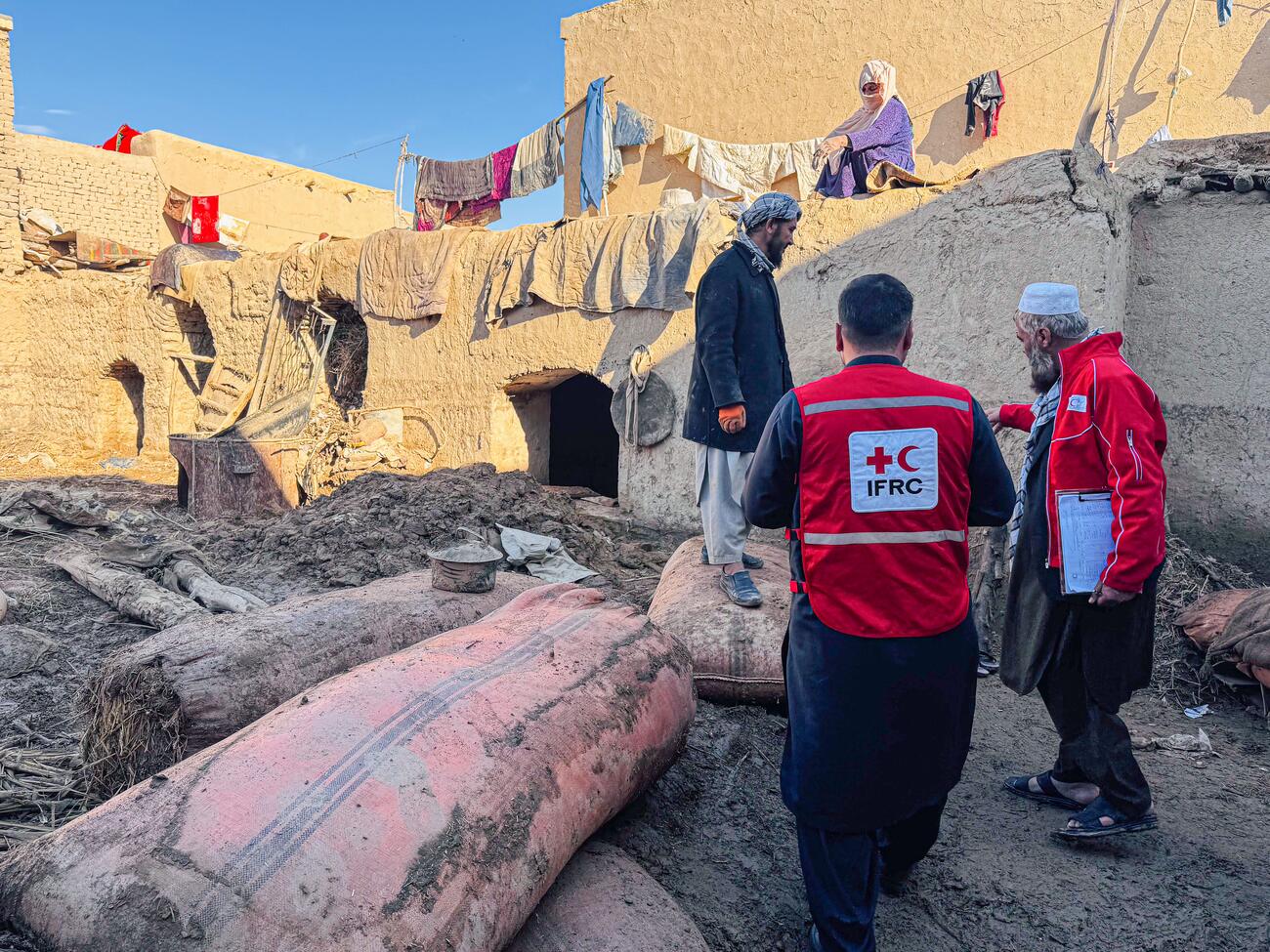
Purpose & Strategic Importance
The core purpose of the deployment capability is enabling volunteers to serve safely and effectively. This process strengthens the NS's reputation and demonstrates the Movement’s Fundamental Principle of Humanity in action.
Key Strategic Elements:
- Safety and Duty of Care: Ensuring all volunteers are protected through insurance, risk awareness training, and duty of care measures before and during their assignment.
- Operational Effectiveness: Matching volunteers to roles that align with their certified skills, availability, and the mission’s needs to ensure maximum impact and efficiency.
- Coordination and Consistency: Standardizing procedures across branches and national levels to ensure consistent quality of volunteer management, whether for daily programs or large-scale emergencies.
- Recognition of Scope: Acknowledging that deployment is not limited to emergencies; it includes community programmes, outreach, advocacy, and long-term engagement activities.
Scope
Deployment encompasses the coordinated set of processes that move a ready volunteer from the training roster into an active assignment, alongside the ongoing support required for the duration of that assignment.
Included Activities:
- Matching and Assignment: Linking a volunteer's certified competencies (from the Train capability) with defined operational needs.
- Mission Preparation: Providing mission-specific briefing, necessary equipment, and ensuring protective measures are in place.
- Field Support and Supervision: Coordinating activities, managing logistics, and providing supervision and psychosocial support while the volunteer is on mission.
- Mission Conclusion: Ensuring proper debriefing, recognition, and documentation upon completion of the assignment.
The capability requires coordination across the volunteer management system to facilitate assignment, logistics, safety, and follow-up.
Process & Key Activities (From Readiness to Action)
The deployment process relies on clear steps and defined responsibilities to ensure structure and support.
- Needs Identification: The Operations Manager/Service Lead defines the required roles, skills, and numbers for a mission or programme.
- Matching & Briefing: The Volunteer Manager or Deployment Coordinator uses volunteer data to identify suitable, available, and certified volunteers, and provides a comprehensive mission-specific briefing.
- Mobilisation & Equipment: The volunteer is provided with necessary Personal Protective Equipment (PPE), supplies, and insurance documentation, and is transported to the area of operation.
- Field Supervision: A Mission Supervisor/Volunteer Coordinator oversees the volunteer, manages mission logistics, and ensures accountability and safety protocols are followed.
- Support & Aftercare: Peer mentors and staff provide ongoing psychosocial support throughout the mission, and debriefing is conducted upon the volunteer's return.
Results
Effective deployment transforms operational needs into humanitarian action while protecting the volunteer workforce.
- Outputs (Deliverables):
- Number of Volunteers Deployed (tracked by role and mission).
- Completed volunteer assignments and mission reports.
- Updated volunteer safety and security records (e.g., number of volunteers with insurance).
- Outcomes (Short- to Mid-term Effects):
- Improved Response Time from need identification to operational readiness.
- High Mission Completion Rate and low Volunteer Absenteeism Rate.
- Enhanced volunteer confidence and on-mission problem-solving capability.
- Impact (Long-term Strategic Change):
- Stronger operational readiness and capacity to respond to sudden crises.
- Reinforced trust and safety culture, leading to improved volunteer retention.
- Demonstration of competence, enhancing the NS's credibility in the community.
Enablers & Resources
A clear structure of management and policy is required to underpin deployment.
- People & Roles:
- Volunteer Manager: Coordinates national deployment frameworks and ensures overall policy compliance.
- Mission Supervisor/Volunteer Coordinator: Provides field-level supervision, logistical guidance, and support.
- Operations Manager/Service Lead: Defines mission objectives and manages overall logistics.
- Training & Safety Officer: Conducts mission-specific safety onboarding.
- Governance & Policies:
- Deployment policies integrated into the NS volunteering framework.
- Clear Duty of Care standards covering insurance, safeguarding, and well-being.
- Mandated safety and security protocols and incident reporting.
- Data & Tools:
- Volunteer Data Management System (VDMS) for tracking skills, availability, and mission assignments.
- Communication tools for emergency contact and check-ins (e.g., satellite phones, secure messaging).
- Facilities & Equipment:
- Necessary PPE (Personal Protective Equipment) and safety gear.
- Transport and logistics support for moving volunteers to the area of operation.
Examples & Innovative Practices
Successful deployment examples demonstrate both rapidity and localized support.
- American Red Cross (ARC): Uses Disaster Action Teams (DATs) that are deployed locally within hours, relying on clear team structures and established team supervisors for accountability.
- Kenya Red Cross (Kenya RC): Focuses on Community-Based Disaster Preparedness deployments, ensuring rapid, hyper-local action and supervision, with branch-level supervisors conducting daily debriefs.
- Bangladesh Red Crescent: Deploys volunteers to health promotion and awareness in communities, illustrating that deployment includes non-emergency, programmatic work.
- ARC/Kenya RC Supervision Model: Deployment is explicitly designed to always include team supervisors to ensure guidance and accountability from the field level.
Variations in Practice
Deployment models vary based on the context of the mission.
- Emergency Deployment: Characterized by rapid mobilisation and centralized coordination, often prioritizing core skills and safety above all else.
- Programme Deployment: More structured and long-term, focused on matching specialized skills to specific programme objectives (e.g., health promotion, advocacy).
- Local vs. National: Local branch coordinators are critical for day-to-day community assignments, whereas Volunteer Managers coordinate national or inter-branch deployments.
Common Challenges
Deployment presents logistical, safety, and managerial challenges.
- Safety and Risk Management: Ensuring consistent provision of PPE and clear safety protocols, especially in high-risk environments.
- Skill Misalignment: Difficulty matching the right volunteer (with the right certification) to the immediate needs of a mission.
- Lack of Supervision: Deploying volunteers without adequate field supervision or psychosocial support, leading to burnout or safety incidents.
- Logistical Failures: Inefficient transport, lack of necessary equipment, or insufficient support budget, compromising the mission's success and the volunteer experience.
- Absenteeism: Managing the Volunteer Absenteeism Rate, where assigned volunteers fail to show up due to personal constraints or lack of engagement.